What to Do With Kids’ Drawings (Without Throwing Them Away)
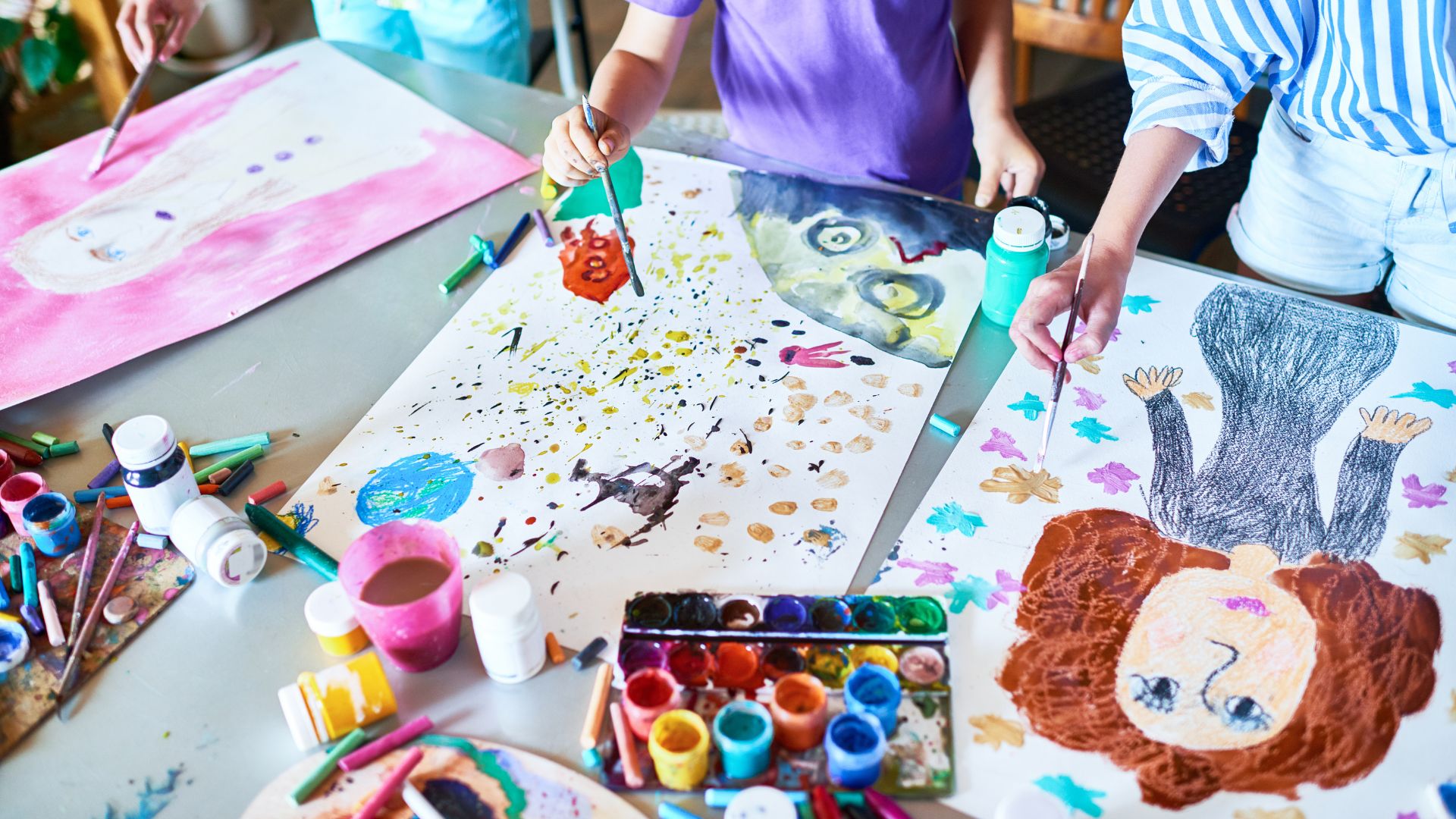
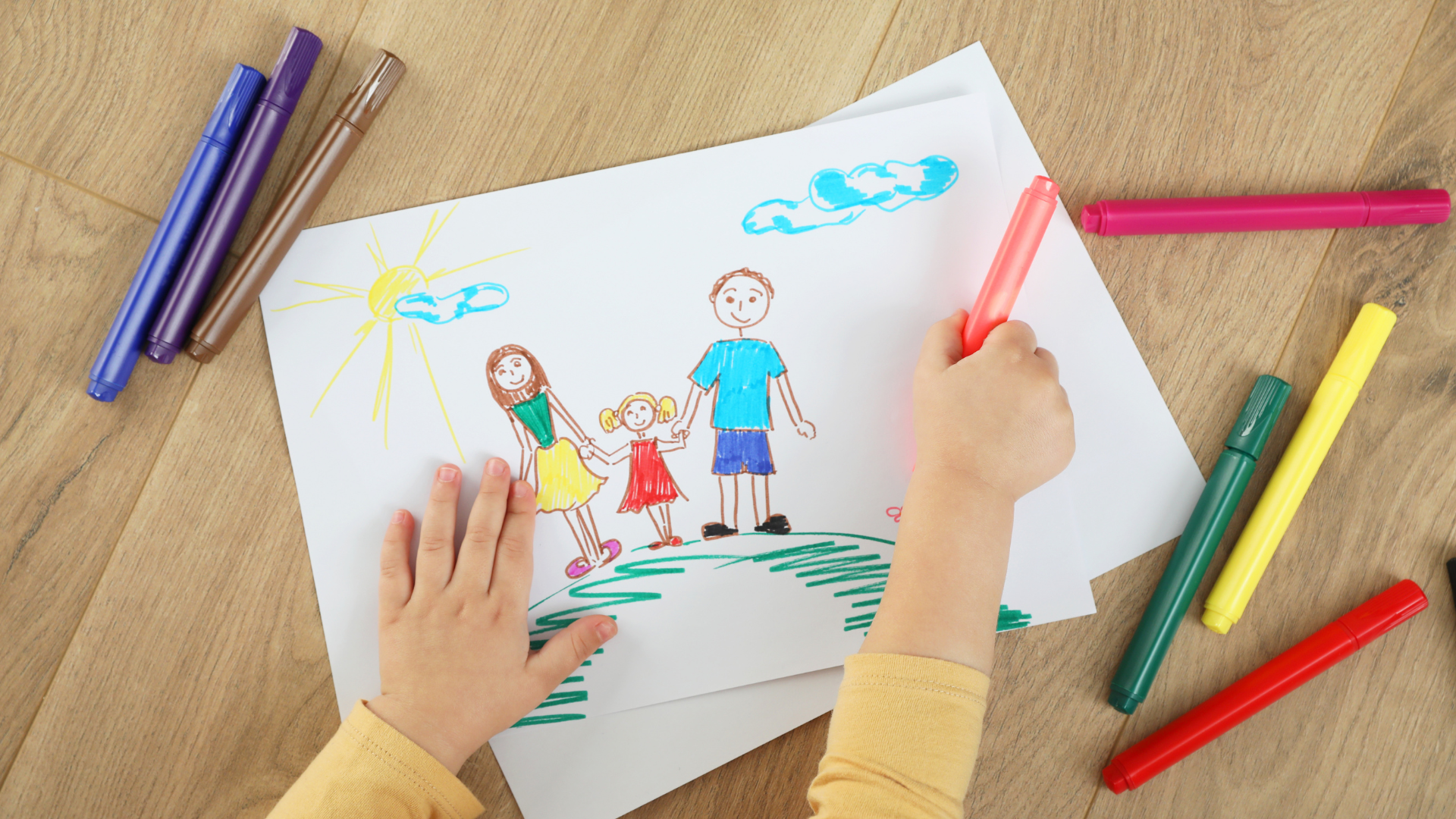
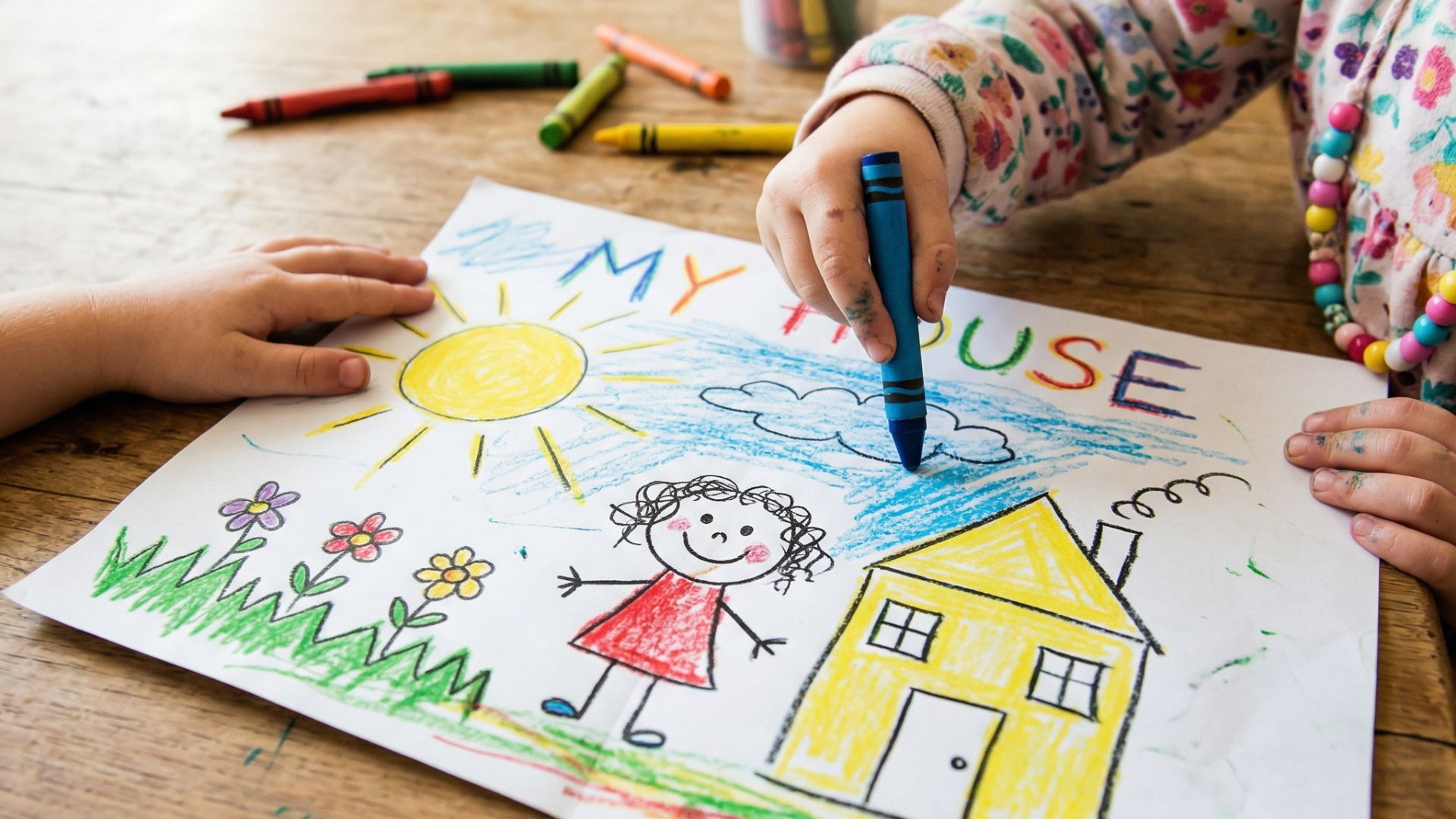
Parents often end up with stacks of drawings, paintings, and school projects that quickly take over drawers and walls. The challenge isn’t whether these pieces matter—it’s how to manage them without creating clutter.
What does it mean to preserve kids’ drawings?
Children’s artwork preservation refers to the process of keeping, organising, or transforming drawings in a way that maintains their emotional value without overwhelming physical space.
7 practical things to do with kids’ drawings
Rotate what you display: Display a small selection and rotate regularly to keep things fresh without overcrowding your space.
Create a digital archive: Photograph or scan drawings and store them in cloud folders for easy access.
Turn them into photo books: Compile drawings into a yearly book to create a structured memory.
Use them as wrapping paper: A simple way to reuse artwork while adding a personal touch.
Keep a memory box: Select a small number of meaningful pieces each year.
Recycle older artwork: It’s okay to let go of less meaningful or repetitive pieces.
Turn drawings into keepsakes: Some parents choose to transform drawings into physical items like clothing or prints so they can be used and enjoyed daily.
How do you decide what to keep?
Focus on:
Milestones (first drawings, school transitions)
Emotionally meaningful pieces
Artwork your child is proud of
FAQ
Is it okay to throw away kids’ drawings? Yes. Keeping everything isn’t practical - what matters is preserving meaning.
How many drawings should you keep? A curated selection (10 - 20 per year) works well for most families.
What is the best long-term solution? A mix of digital storage and a few physical keepsakes.
A balanced approach
The most sustainable system:
Digitise everything
Keep a small curated selection
Transform a few into lasting keepsakes